
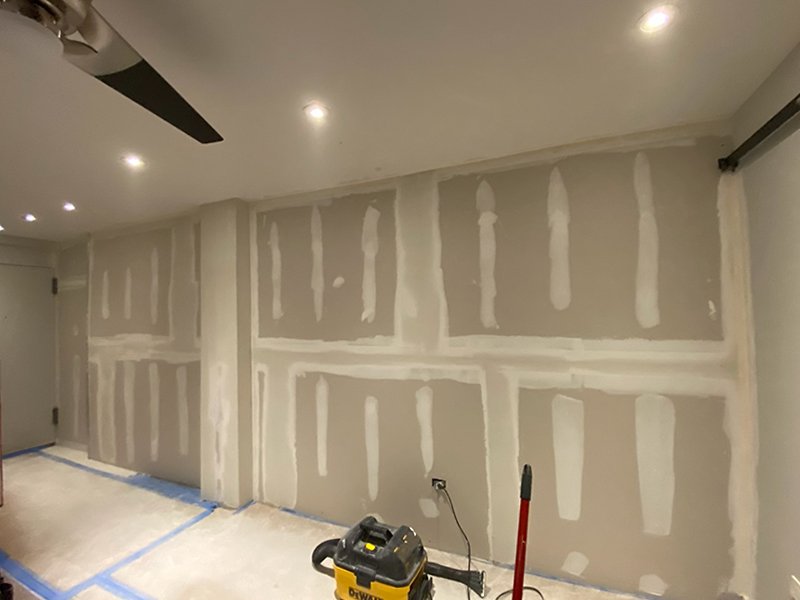
Soundproofing Apartment Walls: The Importance of a Quiet Space
Soundproofing apartment walls is privacy work. It protects sleep, focus, and daily calm. It also keeps your conversations inside your unit. Most importantly, it makes your home feel controlled again.
Soundproofing walls is not a single product. It is an assembly decision. First, identify the dominant noise path. Next, build the wall to block that path. Then, detail the edges so the work holds up.
Soundproof Walls: What Does It Mean?
Sound travels through air and structure. A wall reduces sound by limiting surface motion and air leakage. That is why Sound Transmission Class matters in real buildings. Sound Transmission Class describes an assembly. It does not describe one material.
In New York City, the details change by building type. However, the fundamentals stay consistent. You will see different constraints in Manhattan, Brooklyn, Queens, the Bronx, and Staten Island. For a citywide overview, start with New York Soundproofing.
Why Soundproofing Apartment Walls Matters
First, it reduces voices from next door. Next, it cuts TV and music bleed. Then, it improves privacy during calls and meetings. Finally, it lowers stress because the space stops feeling exposed.
- Block noise from other apartments or the street.
- Reduce noise from building systems and shared pathways.
- Create a calmer environment for work and rest.
Why Your Building Is Not Already Quiet
Many buildings favor speed and cost during construction. As a result, partitions can be thin and poorly sealed. Also, contractors often stop walls at drop ceilings. Then sound travels through the open plenum.
This does not mean you are stuck. It means you need a scope that fits the building. You also need clean execution at the edges.
How to Soundproof Your Apartment Walls
Soundproofing apartment walls works best in a sequence. First, seal air leaks. Next, control resonance inside the cavity. Then, add mass and damping as needed. Finally, decouple when vibration dominates.
Step 1: Seal air leaks first
Air leaks behave like shortcuts. Therefore, start with perimeters and penetrations. Seal base lines, top lines, and corners. Also seal around pipes, sleeves, and trim returns.
Next, treat outlets and devices. Boxes can act like speaker ports. Seal the perimeter and reduce leakage around the cutout.
Step 2: Add absorption inside the cavity
Many walls hide a resonant air space. That cavity can amplify speech and bass. So fill the bay with absorption to reduce that buildup.
Mineral wool is a common choice. It stays in place and performs reliably. Learn the options in Sound Proof Insulation.
Step 3: Add mass where it counts
Mass reduces how much the wall face moves. More mass usually improves airborne control. However, mass alone will not fix flanking or vibration transfer.
In practice, this can mean added gypsum layers. It can also mean mass loaded vinyl in specific assemblies. The correct choice depends on the noise type.
Step 4: Add damping to reduce panel ring
Damping reduces resonance in sheet materials. It smooths the sharp frequencies people notice first. Therefore, it can improve perceived comfort after you add mass.
Step 5: Decouple when structure noise dominates
If you feel vibration, decoupling often matters most. Decoupling breaks the rigid path that carries energy. It can also improve performance across a wider frequency range.
Decoupling fails when installers create rigid bridges. So fastener discipline matters. Edge clearance matters too.
Common Failure Points in Soundproofing Walls
Soundproofing walls fails at details. These are the weak points we check first.
- Back to back outlets and low voltage boxes.
- Unsealed baseboards and crown lines.
- Pipe penetrations with open annular gaps.
- Chases that connect multiple units.
Also watch flanking. Sound can bypass a wall through the ceiling or floor. In that case, pair the wall scope with soundproofing apartment ceilings. You can also reduce impact paths with floor soundproofing.
Renter Friendly Upgrades That Still Help
Renters can still reduce annoyance. These moves will not fully soundproofing apartment walls. However, they often improve comfort fast.
- Add bookcases against party walls for extra mass.
- Use thick rugs with quality pads to reduce reflections.
- Seal obvious door gaps with removable weatherstripping.
Which Method Is Best for You?
The best method depends on the noise path and your constraints. If you hear clear speech, focus on sealing and mass. If you feel vibration, focus on decoupling and resonance control. If noise shifts by location, treat flanking first.
If you want a proven framework, review Wall Sound Proofing. If you want a complete plan, start with Soundproofing Consultation.
What Else Can You Soundproof?
Walls are one part of the system. You may also need ceiling, floor, and door work. If you want a broader approach, see office soundproofing for concepts that translate well to apartments.
Conclusion
Soundproofing apartment walls works when you treat the wall like a system. First, seal the leaks. Next, control the cavity. Then add mass, damping, and decoupling as needed. Finally, address flanking so the room stays quiet.
If you want help scoping soundproofing walls in your building, start with Hush and use the contact page.